Introduction
The demand for front-end developers continues to grow rapidly in 2026 as businesses prioritize fast, responsive, and user-friendly web applications. If you're planning to start a career in front-end development or upgrade your skills, having a clear roadmap can save you time and effort. This guide walks you through a structured path from beginner to job-ready developer.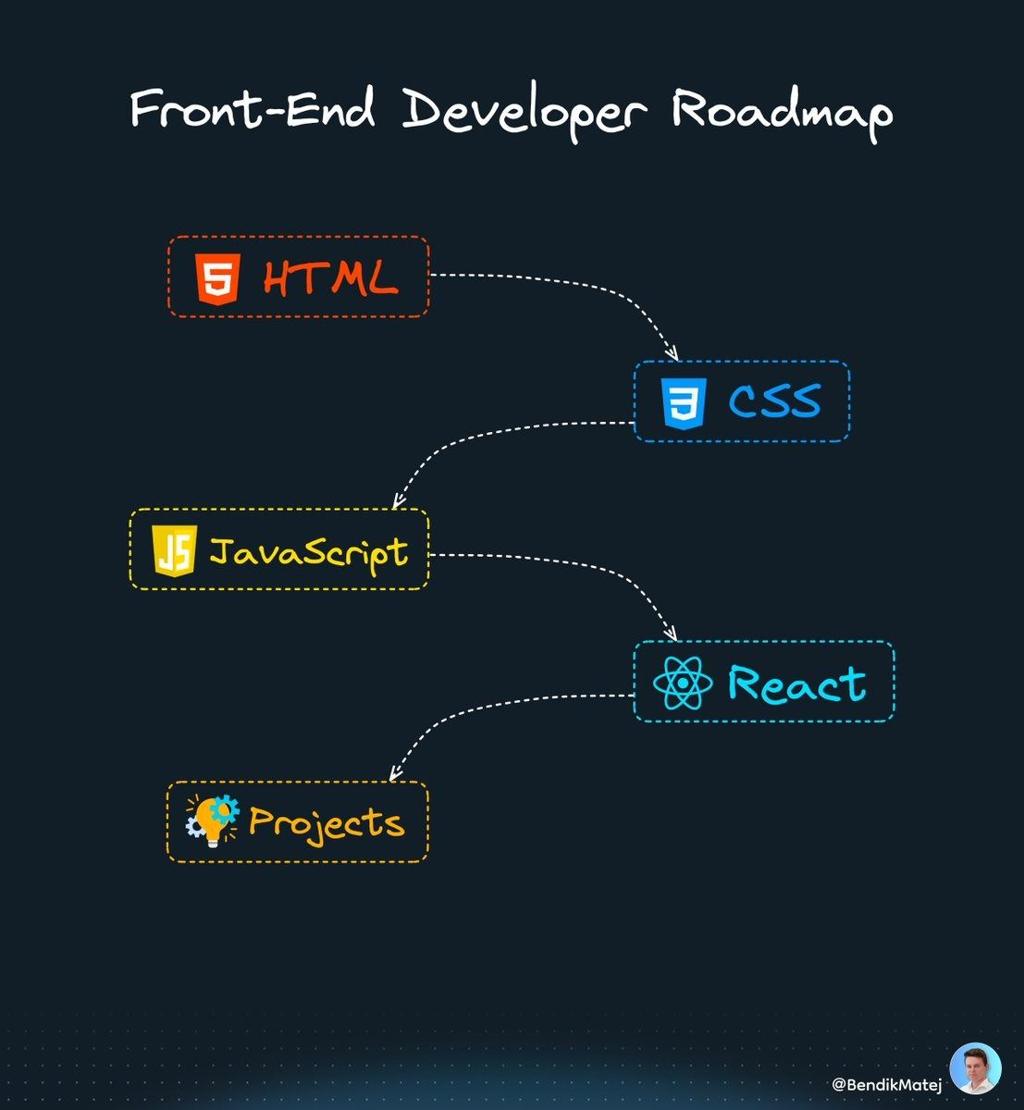
1. Building the Foundation
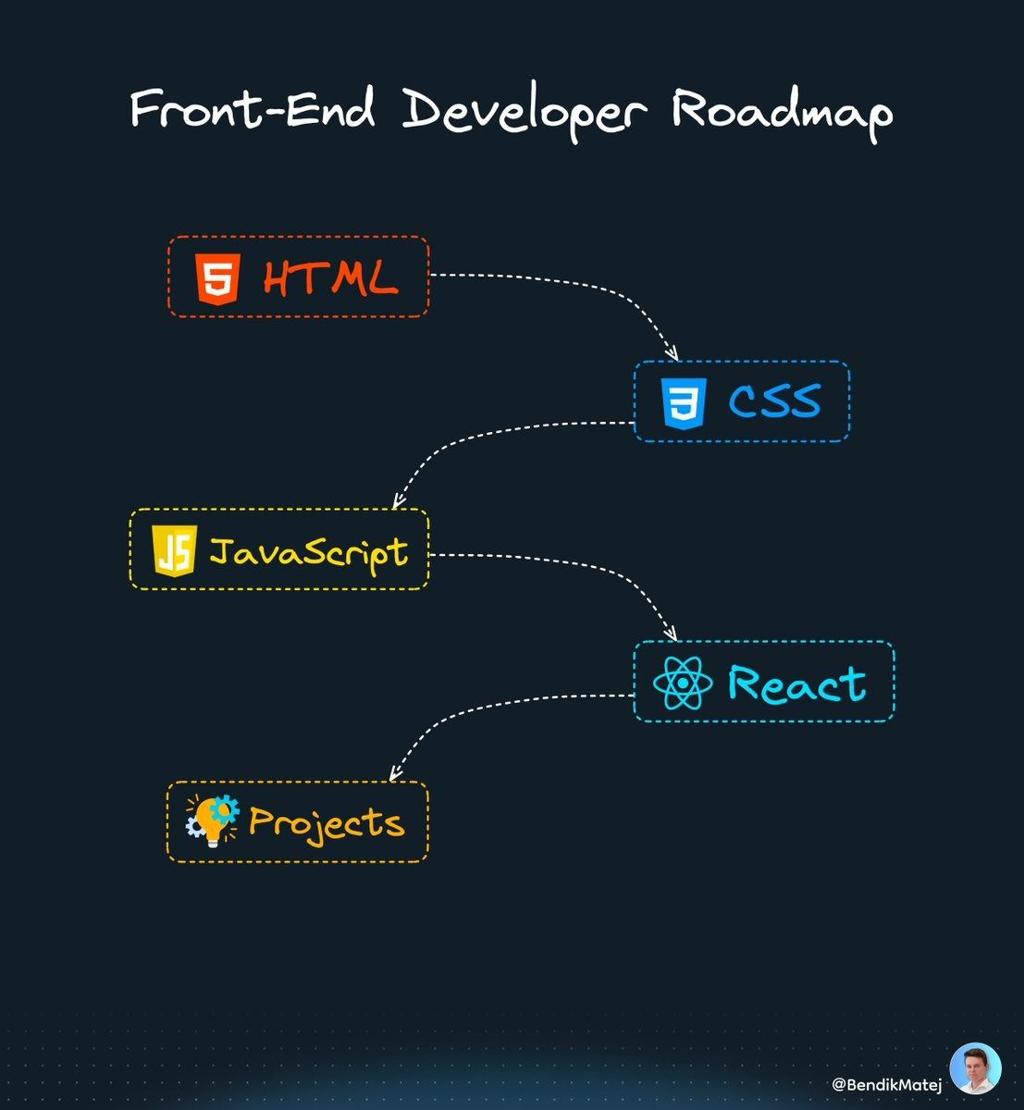
Every front-end developer begins with the basics: HTML, CSS, and JavaScript. These technologies form the backbone of the web. HTML is used to structure content, CSS is responsible for styling and layout, and JavaScript adds interactivity.
Focus on understanding responsive design using Flexbox and Grid, and learn how websites adapt to different screen sizes. By the end of this stage, you should be able to create simple static websites such as landing pages or portfolio sites.
2. Strengthening Core Skills
Once you are comfortable with the basics, move to advanced JavaScript concepts like closures, promises, and async/await. These are essential for handling real-world applications.
You should also learn version control using Git and start uploading your code to GitHub. Additionally, explore CSS frameworks like Bootstrap or Tailwind CSS to speed up your UI development process.
At this stage, your goal is to build fully responsive and interactive websites.
3. Mastering a Front-End Framework
Modern web development relies heavily on frameworks. Choose one primary framework to focus on. The most popular options include React, Angular, and Vue.js.
These frameworks allow you to build scalable applications using reusable components. Learn about state management, routing, and component lifecycle.
By the end of this stage, you should be able to develop applications like dashboards, e-commerce interfaces, or task management tools.
4. Advanced Front-End Development
To stand out in 2026, you need to go beyond basics. Learn TypeScript to write safer and more maintainable code. Understand how to integrate APIs using REST or GraphQL and handle authentication systems.
Performance optimization is another critical skill—your applications should load fast and run smoothly.
At this stage, your focus should be on building production-level applications that resemble real industry projects.
5. Tools and Ecosystem
A professional front-end developer must be familiar with modern tools. Learn package managers like npm or Yarn and build tools like Vite or Webpack. Testing tools such as Jest or Cypress help ensure your code is reliable.
These tools improve development speed, code quality, and project scalability.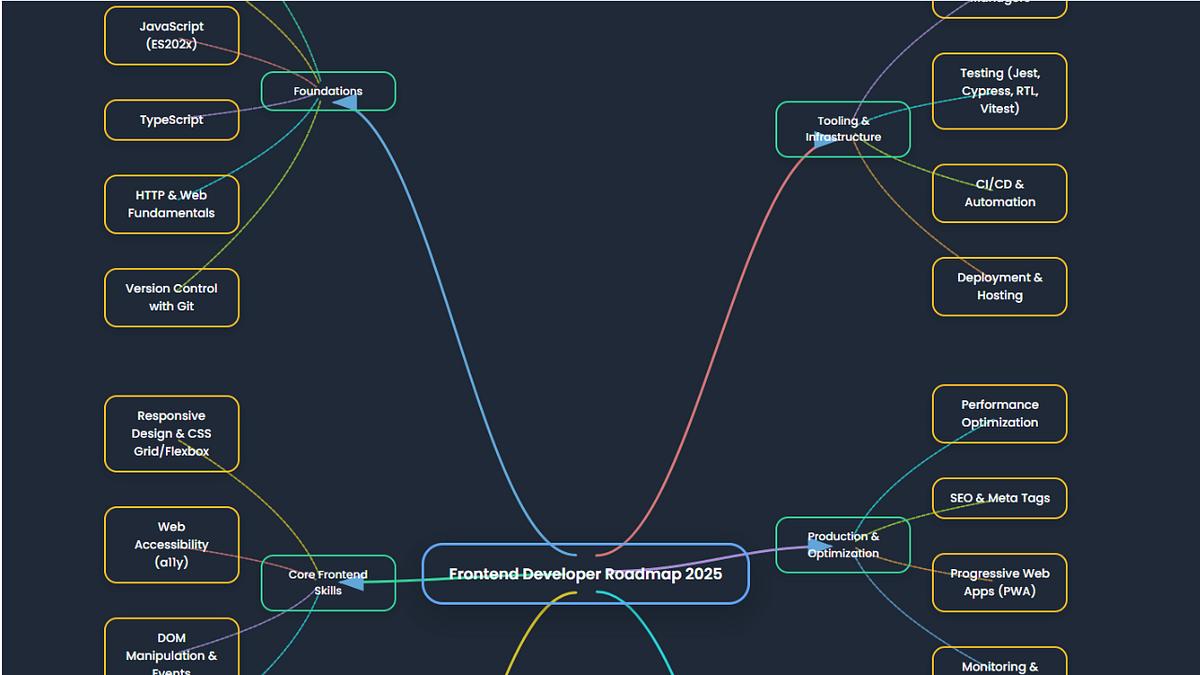
6. Building a Strong Portfolio
Your portfolio is your biggest asset when applying for jobs. Create at least 4–6 high-quality projects, such as a business website, admin dashboard, or real-time application.
Deploy your projects using platforms like Netlify or Vercel. Make sure your code is available on GitHub and keep your LinkedIn profile updated.
A strong portfolio often matters more than degrees in today’s hiring market.
7. Career Opportunities in 2026
With the right skills, you can apply for roles such as Front-End Developer, UI Developer, React Developer, or Web Application Developer. Companies are looking for developers who can build fast, responsive, and visually appealing applications.
8. Latest Trends to Follow
Front-end development is evolving rapidly. In 2026, key trends include AI-assisted coding tools like GitHub Copilot, performance-focused development, and mobile-first design approaches.
Staying updated with these trends will help you remain competitive in the job market.
Conclusion
Becoming a front-end developer in 2026 is achievable within 4 to 6 months with consistent effort and the right learning path. Focus on mastering fundamentals, building real projects, and staying updated with industry trends.
Success in this field is not just about learning technologies—it’s about solving real-world problems and creating seamless user experiences.