???? Scope of AI (Artificial Intelligence) in 2026
Artificial Intelligence (AI) is no longer a futuristic concept—it is the backbone of innovation in 2026. From smartphones to smart factories, from chatbots to autonomous vehicles, AI is deeply integrated into our daily lives and business ecosystems. As industries accelerate digital transformation, AI stands at the center of this revolution, creating new opportunities, reshaping careers, and redefining how organizations operate.
In this blog, we explore the scope of AI in 2026, including industry adoption, job opportunities, emerging technologies, and what it means for businesses and professionals.
???? AI Market Growth in 2026
The global AI market continues to grow at an unprecedented rate. Enterprises across the world are investing heavily in AI-driven tools to enhance efficiency, reduce operational costs, and improve customer experiences. Cloud computing, big data, and high-performance GPUs have made AI more accessible and scalable than ever before.
In 2026, AI is no longer limited to tech giants. Small and medium businesses are adopting AI-powered CRM systems, chatbots, analytics tools, and automation software. AI-as-a-Service (AIaaS) platforms are enabling companies to integrate AI without building complex infrastructure from scratch.
This democratization of AI ensures that innovation is no longer restricted to large corporations—it’s available to startups, educators, healthcare providers, and even local businesses.
???? AI in Healthcare
4
Healthcare is one of the most transformative sectors for AI in 2026. AI-powered diagnostic tools can analyze medical images faster and more accurately than traditional methods. Machine learning models assist doctors in detecting diseases such as cancer at early stages, improving survival rates.
Robotic surgeries powered by AI ensure precision and reduce recovery time. AI-driven predictive analytics help hospitals manage patient loads, optimize resources, and forecast outbreaks. Personalized medicine—where treatment plans are tailored using patient data—is becoming increasingly common.
In short, AI is not replacing doctors; it is empowering them with better tools and insights.
???? AI in Finance and Banking
4
The finance industry heavily relies on AI for fraud detection, risk assessment, and algorithmic trading. In 2026, AI systems monitor millions of transactions in real time to identify suspicious activities. Banks use AI chatbots to provide instant customer support and personalized financial advice.
Credit scoring models powered by AI evaluate customer risk more accurately by analyzing alternative data sources. Investment firms leverage AI for predictive market analysis, allowing faster and more informed decisions.
AI has made banking more secure, efficient, and customer-centric.
???? AI in Manufacturing and Industry
4
Manufacturing in 2026 is driven by smart factories. AI-powered robots handle repetitive tasks with precision and consistency. Predictive maintenance systems analyze machine data to anticipate breakdowns before they occur, saving time and reducing costs.
AI-based quality inspection systems use computer vision to detect product defects in real time. Supply chain optimization tools forecast demand and streamline logistics.
The result is increased productivity, reduced waste, and improved product quality.
???? AI in Retail and E-commerce
AI has revolutionized the retail industry. Personalized product recommendations based on browsing behavior enhance customer experience and increase sales. Virtual assistants help customers find products instantly.
Inventory management systems powered by AI forecast demand patterns and prevent overstocking or shortages. Visual search technology allows users to upload images and find similar products online.
Retailers in 2026 are data-driven and customer-focused, thanks to AI insights.
???? AI in Education
AI-powered learning platforms adapt to students’ learning speeds and styles. Intelligent tutoring systems provide personalized feedback and assessments. Automated grading tools save teachers valuable time.
Virtual classrooms use AI to analyze student engagement and suggest improvements. AI is making education more accessible, inclusive, and efficient.
???? AI Career Opportunities in 2026
The scope of AI extends significantly into the job market. While automation replaces certain repetitive roles, it creates numerous high-paying and future-ready careers.
???? High-Demand AI Roles:
AI Engineer
Machine Learning Engineer
Data Scientist
AI Researcher
Robotics Engineer
AI Product Manager
AI Ethics Specialist
MLOps Engineer
Professionals with skills in Python, TensorFlow, PyTorch, NLP, Computer Vision, and Data Analytics are highly sought after. Additionally, non-technical professionals who understand AI applications—such as business analysts and marketing strategists—are also in demand.
AI is not just for programmers; it is becoming a multidisciplinary field.
???? Generative AI and Automation
Generative AI tools have exploded in popularity. From content creation to software development, AI tools assist humans in generating text, images, videos, and even code. Businesses use AI to automate customer support, marketing campaigns, and internal documentation.
Automation powered by AI improves productivity while allowing humans to focus on creativity and strategy.
⚖️ AI Ethics and Governance
With great power comes great responsibility. In 2026, AI governance and ethical frameworks are more important than ever. Governments and organizations are implementing policies to ensure transparency, fairness, and accountability in AI systems.
Concerns about data privacy, bias in algorithms, and misinformation have led to stricter regulations. Ethical AI specialists play a crucial role in designing systems that are inclusive and unbiased.
Responsible AI development is now a global priority.
???? AI and the Global Economy
AI contributes significantly to economic growth. Businesses leveraging AI gain competitive advantages through faster decision-making and improved operational efficiency. Countries investing in AI research and infrastructure are positioning themselves as global leaders in innovation.
Emerging economies, including India, are witnessing rapid AI adoption in IT services, startups, and digital enterprises. AI-driven solutions are empowering entrepreneurs to scale businesses faster than ever before.
???? The Future Beyond 2026
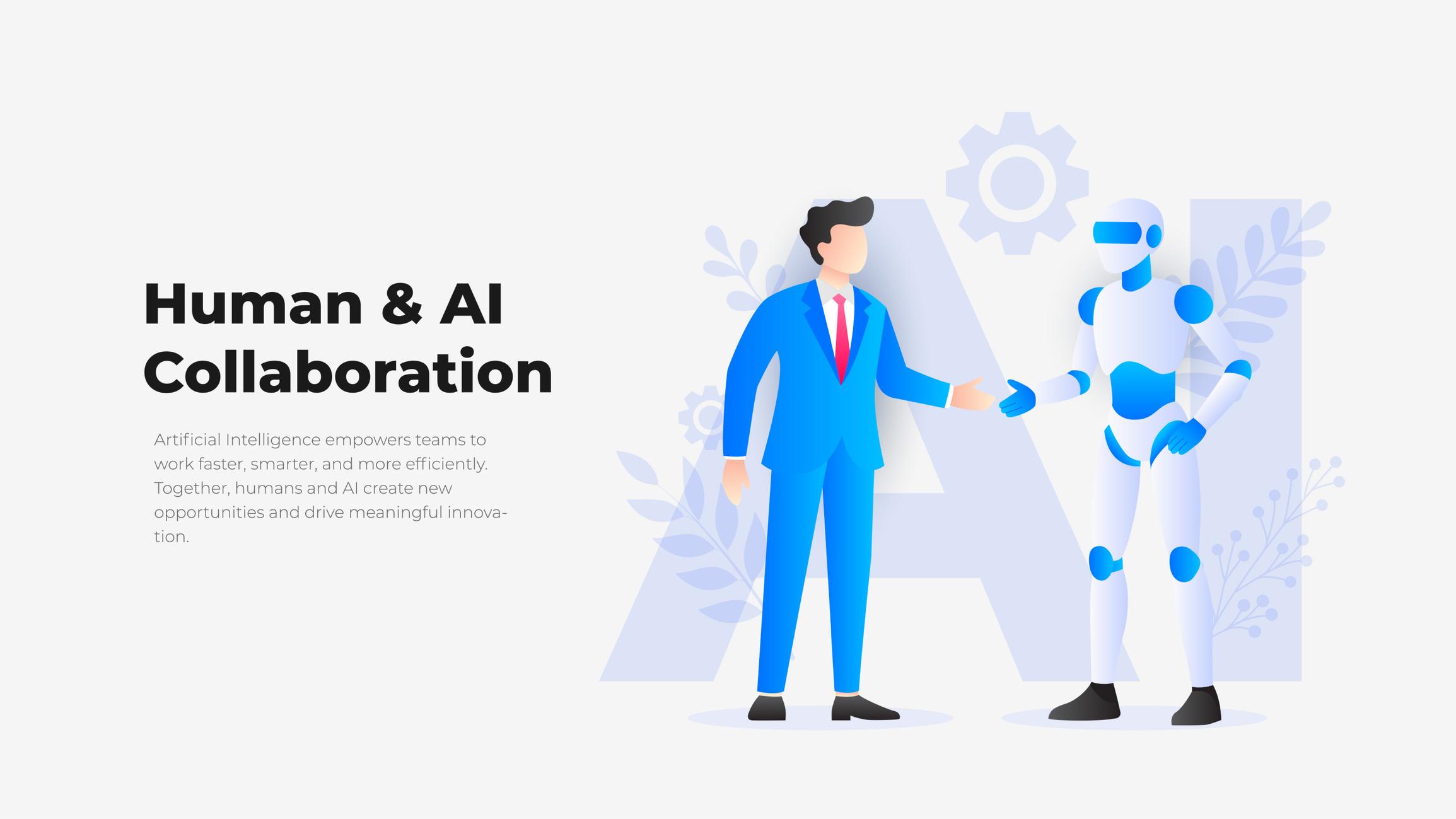
The scope of AI will continue expanding into areas such as autonomous vehicles, smart cities, climate modeling, and advanced robotics. Human-AI collaboration will define the next era of productivity.
Rather than replacing humans, AI will act as an intelligent assistant—augmenting human capabilities and unlocking new possibilities.
???? Conclusion
The scope of Artificial Intelligence in 2026 is vast and transformative. It influences healthcare, finance, manufacturing, retail, education, and beyond. AI is creating new career opportunities, driving economic growth, and enhancing everyday life.
For students, professionals, and entrepreneurs, now is the best time to embrace AI skills. Whether through coding, data analysis, or AI strategy, those who adapt will thrive in this intelligent future.
AI is not just the future—it is the present. And in 2026, its potential is only beginning to unfold.